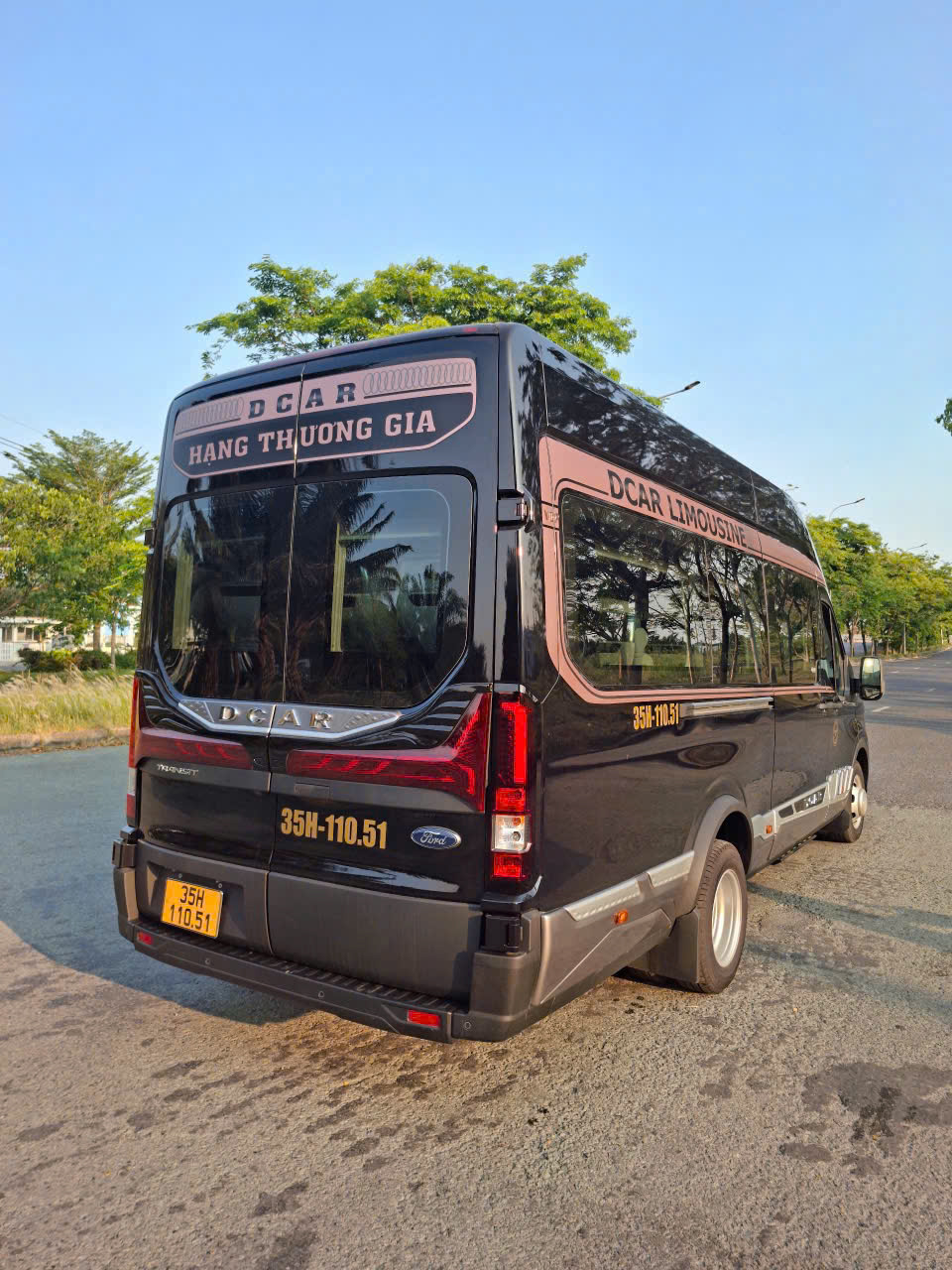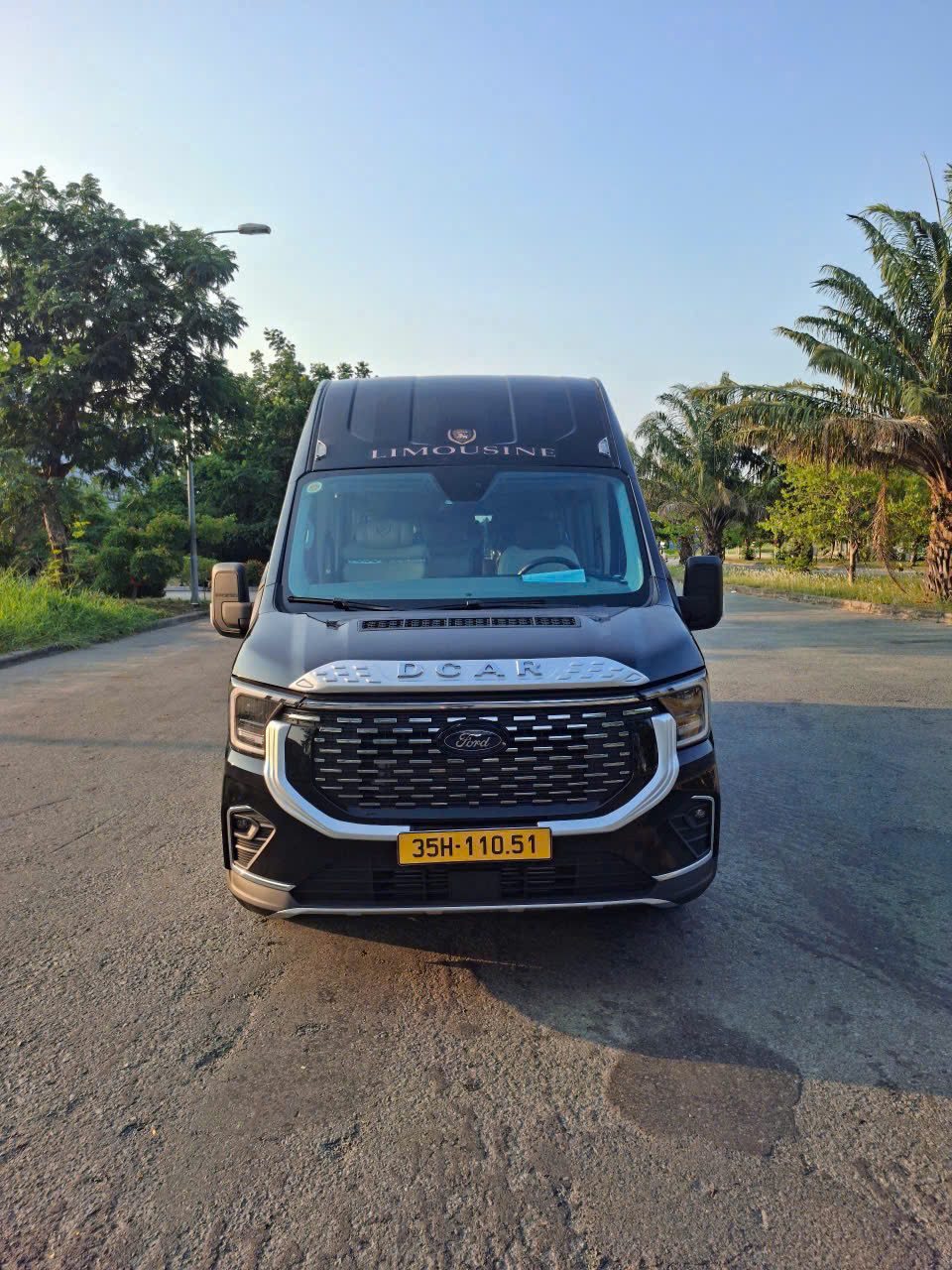
Choosing a private car is easier when you start with the people and luggage travelling together. A vehicle name or a seat number gives only part of the picture. The arrangement that suits a couple with backpacks may not suit a family with large suitcases, a pushchair and several smaller bags, even when both groups fit within the advertised passenger count.
This guide explains what information to send when asking for a vehicle, how to compare options and which details to confirm before booking. It deliberately avoids fixed suitcase allowances: usable luggage space depends on the actual vehicle, seating layout and size of the items you bring.
Count passengers and luggage separately
Begin with the total number of people, including children. Then make a separate list of your luggage. Include checked suitcases, cabin cases, backpacks and any additional items that will need space in the vehicle. A bag carried on a flight still needs somewhere to go during a car journey.
Describe suitcase size in a useful way. If you know the approximate dimensions, share them. Otherwise, distinguish large checked cases from smaller cabin bags and send a photograph of the full luggage group. The aim is to give the operator enough information to propose a realistic fit.
Remember the items that are easy to overlook when requesting a quote: a folded pushchair, shopping bags, a walking aid, a tripod or a musical instrument. Mention anything long, rigid, fragile or difficult to stack. These details can matter more than the total number of bags.
Ask what the seat description means
Vehicle listings may use a model name, a general category or a seat count. Ask how many passenger seats are available in the specific arrangement being offered and whether the description includes the driver. Confirm that every traveller will have an appropriate seat and seat belt.
Some seating layouts allow changes that affect luggage space. If a proposal depends on folding a row of seats, check how many passenger seats remain. A statement that a vehicle can carry a certain number of people should not be read as a promise that it also fits that many large suitcases.
Our fleet page is a starting point for discussing vehicle options. Use the quotation to confirm the actual layout and suitability for your party. If a particular model or seating feature is important, ask for that requirement to be recorded.
Match the vehicle to the whole journey
For an airport transfer, the luggage from your flight is a central part of the request. For a sightseeing day that starts and ends at the same hotel, you may only carry day bags. If you are changing hotels during the sightseeing day, the vehicle needs to accommodate all your belongings as well as the passengers.
Think about the longest part of the journey when discussing comfort. Ask about access to the seats, the proposed seating arrangement and where your bags will be placed. If someone needs extra room or finds climbing into a vehicle difficult, explain that before choosing a category.
For a group, compare the practical arrangements for one larger vehicle and more than one smaller vehicle where available. Consider whether you want to travel together, how pickups will work and how luggage is divided. Request a quotation for the complete arrangement rather than comparing isolated vehicle prices.
Discuss children and special requirements early
If you require a child seat, provide the information the operator needs to assess the request, including the child’s age and size. Ask whether a suitable seat can be supplied and have availability confirmed before treating it as part of the booking. Mention if you plan to bring your own.
Travellers with mobility needs should describe the assistance or equipment required. For example, specify whether a mobility aid folds and share its dimensions. Ask about steps, door access and luggage storage for the particular vehicle proposed. A standard vehicle should not be assumed to have specialist accessibility equipment.
For photography or sports trips, explain which items need to remain protected or accessible during the drive. Avoid simply labelling equipment as “one bag” when it has unusual dimensions. The operator can assess the request more accurately when the description is specific.
Use photographs to clarify the arrangement
A photograph of your luggage together can be more useful than several messages about bag sizes. Place larger items beside smaller ones so the relative size is clear. If the contents will change before departure, explain that and send an updated count when you know it.
You can also ask for representative photographs or confirmation of the vehicle layout being proposed. Distinguish between a photograph illustrating a category and a guarantee of a particular vehicle. If substitution is possible, ask how equivalent passenger and luggage needs will be met.
Keep your final confirmation with the passenger count, luggage description and vehicle arrangement in the same message thread. This gives both sides a clear reference if someone joins the trip or a new suitcase is added later.
Compare quotations on the same basis
Send the same route, date, passenger count and luggage list when requesting different options. Otherwise, one quotation may assume a direct transfer while another includes waiting or sightseeing. A lower total is difficult to assess if the services being compared are different.
Check whether the quotation covers the agreed pickup and drop-off points, planned stops, road costs, parking and waiting time. Ask about any additional charge for extending the itinerary or changing the vehicle requirement. Clarify deposit, payment and cancellation conditions before confirming.
For a round trip, state whether you want separate transfers or a vehicle available throughout the day. For an airport pickup, add flight details and ask how waiting is handled. The best vehicle choice is part of a complete transport arrangement, not a decision made independently of the route.
Examples of useful booking requests
A couple travelling with two large suitcases and two backpacks should give that full description rather than asking only for “a car for two”. If they also want a sightseeing stop before hotel check-in, the request should include that stop and ask about luggage storage during the visit.
A family with children should list each passenger and any child seat or pushchair requirement. A group of friends should count everyone’s bags before requesting a vehicle, rather than relying on one person’s estimate. These examples illustrate how to prepare an enquiry; they do not establish a guaranteed capacity for a particular model.
For a practical final check, ask the operator to confirm that the proposed arrangement fits all passengers and the luggage described. If the answer depends on leaving something behind or reducing seats, resolve that before the travel day.
Request a vehicle that fits your trip
Send Hai Dang your travel date, route, passenger count and a clear luggage list through WhatsApp. You can also browse our intercity routes or local sightseeing options to explain the journey you have in mind. Confirming these details early helps turn a general vehicle enquiry into an arrangement that works for your group.